
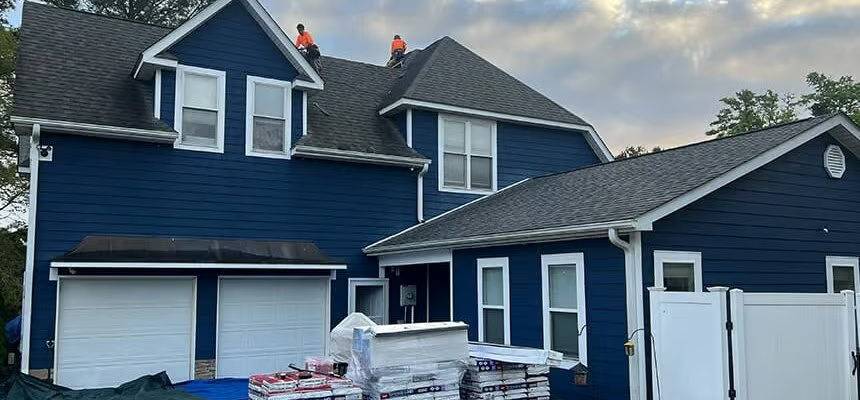
Waccamaw Roofing, LLC repairs, replaces and installs roofs in Pawleys Island, SC and the area around it. We are a Grand Strand company based in Myrtle Beach, and every job starts with a free inspection.
Pawleys Island has a little of everything. There are old beach houses on the island itself. On the mainland side there are newer homes in plantation and golf communities. Salt air, hot sun and tropical storms reach all of them.
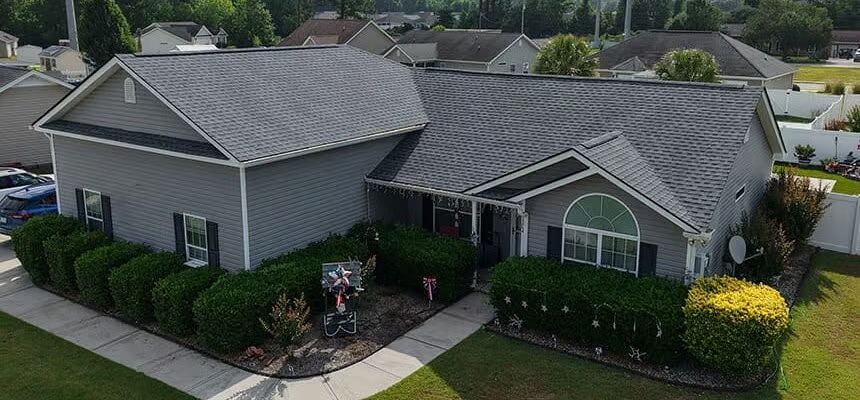
Many homes here have roofs with lots of slopes, valleys and dormers. Each of those joints is a place where water can get in. We take the time to get those details right, and we give you a plain answer about what your roof needs.
Salt air is the first problem. It settles on the flashing, the vents and the nails and makes them rust sooner. On the island, where homes face the ocean, that wear is strongest.
Complex roofs are the second. Big homes often have many slopes that meet in valleys, plus dormers, chimneys and skylights. Every place two surfaces meet needs flashing. Those joints cause more leaks than the open slopes do.
Wind is the third. The edges of a roof take the most force in a storm. If the first row of shingles is not nailed and sealed right, a strong gust can lift the rest.
Shade and damp air round it out. Live oaks shade many roofs, so they dry slowly after rain. Leaves pile up in valleys and hold water. Damp air in the attic can soften the wood from below.
The salt marsh behind the island adds to the damp. On still summer days the air barely moves, and moisture settles into attics on both sides of the causeway. Good airflow, from vents under the eaves out through the ridge, is one of the best ways to protect the wood deck under your shingles.
We bring our full range of work to Pawleys Island:
Roof replacement when a roof is worn out or badly damaged. Roof repair for leaks, bad flashing, lifted shingles and pipe boots. Residential roofing for beach houses and year round homes. New construction roofing for new homes in the area.
Storm damage repair after storms. Roof inspections for owners, buyers and sellers. Commercial roofing and flat roofing for business and low slope buildings. And insurance claims help when storm damage turns into a claim.
See all of our roofing services on our hub page. We also serve Murrells Inlet and Myrtle Beach.
A free inspection is the best first step. We start inside, in the attic, because trouble shows there first. We look for damp wood, dark stains and daylight at the edges. We check how air moves from the soffits to the ridge.
Then we go up top. We check the shingles, the flashing, the pipe boots and every valley. We look at the drip edge and the nails along the eaves. On a home in Pawleys Island, those are the spots that fail first.
After that you get a plain answer. We tell you what is wrong, what it will take to fix, and whether it can wait. You get a written estimate before any work starts. There is no pressure to sign, and a repair is always on the table when a repair is enough.
Want to book one? Call (843) 488-4181 or request a free estimate.
Walk around the house in spring. Look along the edges and the ridge for lifted or missing shingles. Look at the valleys for piled up leaves. Check the flashing around chimneys and dormers for rust or gaps.
If the house sits empty part of the year, have someone look at the ceilings and the attic after big storms. A slow leak can do a lot of damage before anyone notices.
Hurricane season runs from June 1 to November 30. The National Hurricane Center posts every watch and warning for the coast. After a storm passes and it is safe, check the house and call us if you see damage.
A simple roof has two slopes and a ridge. Many homes around Pawleys Island have far more: several gables, dormers, porches, chimneys and skylights. Every place two surfaces meet is a joint that has to shed water.
Valleys carry the most water on a roof, so they need to be built with care. Walls and chimneys need step flashing and counter flashing that overlap the right way. Skylights and dormers need their own flashing kits. When any of these is off, water finds it.
On a complex roof we check every joint during the inspection. If you need a replacement, we take our time on those details. They are what keep the house dry in a long, wind driven rain.
Often, yes. Older beach houses may have original wood decking, older flashing and roofs that have been patched many times. They also sit right in the salt air, with little shelter from the wind.
We start by finding out what is really up there. We check the deck from the attic, count the layers and look at every metal part for rust. Some houses only need a careful repair. Others need the old layers removed so the deck can be checked and fixed.
We explain what we find in plain words and give you a written estimate. You decide what to do, with the facts in hand.
Most homes take one to three days, and larger or more complex roofs can take longer. First the crew protects your plants, windows and anything stored by the house. Then the old shingles come off down to the deck.
We check the bare deck and replace any soft wood. Then the new system goes on in order: underlayment, drip edge, a starter row, the shingles, flashing at every wall, chimney and pipe, and a ridge vent.
We clean up at the end, including a magnet sweep for nails, and walk the job with you. You can stay home during the work, though it will be loud.
Architectural asphalt shingles are the most common choice. They are thick, they come in many colors and many are rated for high wind. In shady spots under live oaks, shingles made to resist algae help keep dark streaks away.
Standing seam metal is another option, and it suits many coastal homes. It sheds rain and leaves fast and handles wind well. It needs the right coating and fasteners to stand up to salt air.
On a complex roof, the flashing and the underlayment matter as much as the surface. Rust resistant metal at every valley, wall and chimney, and a strong underlayment below, are what keep a house dry in a long storm. We will go over the options with you.
After a big storm, crews from out of state often show up in Pawleys Island and knock on doors. Some do fine work. Others are gone before the first leak shows up. A few simple questions help you sort them out.
Ask for a written estimate that lists the work, not just one number. Ask who pulls the permit, since a roof replacement here is permitted and inspected work. Ask for photos of the damage they found. Be careful with anyone who wants full payment before the work starts, or who pushes you to sign that day.
It also helps to hire someone who will still be around next year. If a problem shows up after the next storm, you want a company you can call. Waccamaw Roofing, LLC is a Grand Strand company based in Myrtle Beach, SC.
These are the questions we hear most from Pawleys Island homeowners. For anything else, call (843) 488-4181.
Yes. We repair and replace roofs on older beach houses as well as newer homes. Older homes often need extra care at the joints and edges.
Most asphalt shingle roofs last about 15 to 22 years here, depending on exposure, how complex the roof is and the grade of shingle.
Yes. Pawleys Plantation, Caledonia, DeBordieu, Heritage Plantation and the nearby communities are all part of our service area.
Yes. Every inspection is free with no obligation, and you get a written estimate before any work starts.
Yes. We inspect, document the damage in writing, cover open areas and repair or replace as needed.
Every valley, dormer and chimney is a joint where water can get in. Those joints need careful flashing, and they are where most leaks start.
Yes. Our service area covers Pawleys Island and the nearby communities, including DeBordieu, Caledonia, Pawleys Plantation and Heritage Plantation.
After big storms, have someone check the ceilings and the attic for stains or damp wood. A slow leak can do a lot of damage before anyone sees it.
Have a question about your roof? Call or email us for a free inspection.

