
When a storm rolls through the Lowcountry, your roof takes the first hit — and the decisions you make in the next few hours can decide whether your home stays protected or ends up with costly hidden damage. This guide walks coastal South Carolina homeowners through exactly what to do after a storm, how to document damage for an insurance claim, and how to choose a licensed local contractor who will put your home back together the right way.
Coastal South Carolina homeowners face hurricanes, tropical storms, hail, and straight-line wind events that can leave a damaged roof exposed within minutes — and the first day or two after a storm are when smart action prevents the costly water damage and missing shingles that complicate an insurance claim. A licensed local roofing contractor like Waccamaw Roofing, LLC can usually arrive the same day to provide emergency tarping, document wind damage and structural damage, and guide you through the insurance claim process before the next weather system arrives.
What you do right now sets the tone for everything that follows, from your claim outcome to the quality of your roof replacement. This page walks through the full recovery path: emergency response, identifying storm damage, navigating your homeowners insurance policy, and deciding between roof repair and full replacement. Protecting your home starts with a single decision — reaching out to a professional roofing company that responds when your roof needs it most.
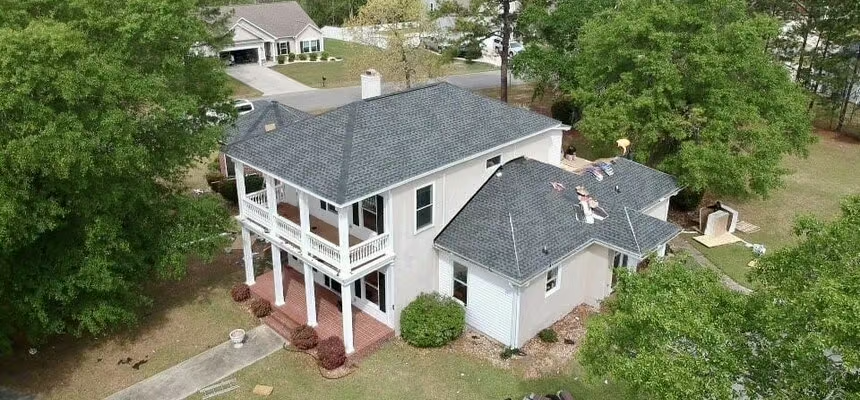
When storm damage affects your roof, the first day or two set the tone for every repair and insurance decision that follows. This step-by-step emergency response plan walks homeowners through safety checks, photo documentation, emergency tarping, and the right order of phone calls to a licensed roofing contractor and your insurance carrier — so you can protect your property, support a clean insurance claim, and move toward a confident roof repair or full roof replacement without losing evidence or momentum.
Storm damage to a coastal South Carolina roof usually shows up as wind-lifted or missing shingles, hail bruising, wind-driven rain intrusion, or impact punctures from debris. A licensed roofing contractor documents each type — flashing, decking, gutters, vents — and that report shapes whether your insurance claim leads to a targeted roof repair or a full roof replacement.
Wind damage is the most visible: creased or missing shingles, shifted ridge caps, and exposed nail heads. Hail damage is subtler — bruised asphalt, dented metal flashing, and granule loss that strips the protective coating. Water and wind-driven rain leave stained decking and wet insulation that often only show from inside the attic. Impact damage from branches, displaced HVAC units, or torn satellite dishes punctures the surface. Hidden damage around chimneys and skylights often reveals itself during the next hard rain, which is why a professional inspection matters even when the roof looks fine from the yard.
After storm damage to your roof, your first priorities are safety and clear documentation so your insurance claim goes smoothly. Stay out of damaged areas, photograph the roof, interior leaks, and any debris, then call a licensed local roofing contractor for emergency tarping before you notify your homeowners insurance carrier. A professional roofer near you can stabilize the home and document everything your adjuster will want to see.
To file an insurance claim for storm damage roof repair, call your carrier right away to open a claim, then document every visible sign of damage with photos and video. Keep all receipts for temporary repairs like emergency tarping, and ask your roofing contractor to be on site when the adjuster arrives so nothing is missed. This team approach helps protect the value of your claim.
Whether insurance covers roof repair or a full roof replacement depends on how widespread the damage is, your policy type, and current local code requirements. Many carriers approve replacement when storm damage is scattered across multiple slopes, when the roof is near the end of its life, or when code upgrades are triggered. Your contractor and adjuster will review these factors together.
The scope of storm damage roof repair is shaped by your roofing materials, roof size and pitch, the extent of wind or hail damage, and whether code upgrades are required. The difference between a targeted repair and full replacement also affects timeline and materials. A professional roof inspection gives you a clear picture before any work begins.
To find a reputable roofing contractor near you after a storm, verify their South Carolina license, proof of insurance, local references, and a physical office address. A trustworthy roofing company will provide a written estimate, explain your options, and never pressure you to sign over your insurance payment. Look for an established local presence rather than a crew that just rolled in.
Hidden roof damage after a storm often shows up as new ceiling stains, attic moisture or damp insulation, missing granules collecting in gutters, lifted flashing around chimneys and vents, and musty odors inside the home. These subtle signs of water damage and wind damage are worth investigating quickly, since early repair protects your home from larger structural issues down the road.
Roofing storm chasers often arrive with out-of-state plates, no local references, demands for upfront payment, and high-pressure tactics that push you to sign on the spot. A legitimate roofing contractor will provide a written estimate, wait while you contact your insurance company, and give you time to decide. Protect yourself by checking credentials before anything is signed.
Wind damage claims typically involve lifted, creased, or missing shingles that are visible from the ground, while hail damage claims involve shingle bruising and granule loss that often require a close professional inspection to confirm. Both can lead to roof repair or replacement depending on severity, and a skilled roofing contractor near you can document the right evidence for your insurance claim.
If your roof has taken a hit from recent coastal weather, Waccamaw Roofing, LLC — a licensed local roofing contractor — offers free, same-week storm damage inspections for homeowners and property owners across coastal South Carolina. After the inspection you'll receive a written report with photos you can share directly with your insurance carrier to support your claim, plus honest guidance on whether roof repair or full roof replacement is the right next step. Reach out for a consultation to discuss your specific situation.
If you need any helps, please feel free to contact us.

