
A roof inspection is a close, top to bottom check of your whole roof system, from the attic up to the ridge. Waccamaw Roofing, LLC does it for free across Myrtle Beach and the Grand Strand, and you get a plain answer about what your roof needs.
We look at the inside and the outside of the house. We note what is fine, what needs attention now, and what can wait. Then we give you a written estimate for any work we suggest, with no pressure to buy.
Most roof damage starts small and out of sight. A loose nail, a cracked pipe boot, or a damp spot in the attic will not show from the street. An inspection finds these problems while they are still cheap to fix, long before a stain shows up on a bedroom ceiling.
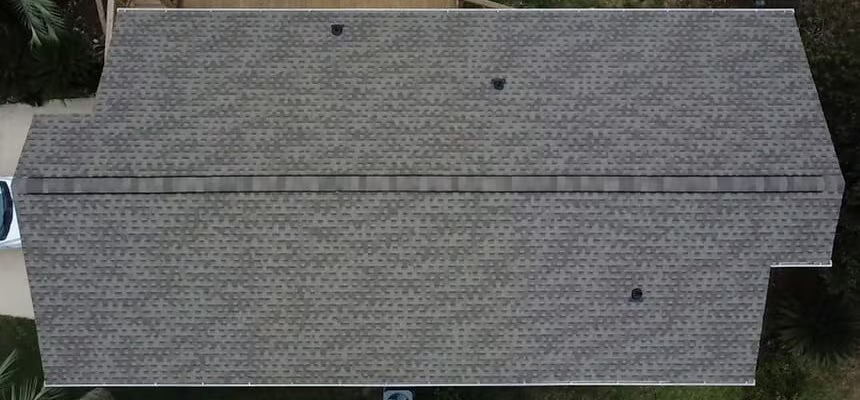
A roof near the ocean works harder than the same roof inland. Four forces wear it down, and most of the wear is hidden.
Salt. Salt rides in on the wind and settles on every surface. It holds moisture against metal. Nails, drip edge, valley metal, and flashing rust faster here than their makers planned for.
Wind. Wind does not push on the middle of a slope. It pulls at the edges and tries to peel back the first row of shingles. Once one row lifts, the next goes easier.
Humidity. Warm, damp air rises into the attic. When it meets a cool deck, it turns to water. Over time the wood softens and the nails lose their grip.
Sun. Long, hot summers bake the shingles. They lose the granules that shield them, then turn brittle and crack.
None of these show up in a day. They build slowly, then fail all at once in a storm. A yearly look is how you stay ahead of them.
A good inspection covers three areas: the attic, the surface, and the small details where most leaks begin.
Inside and in the attic. We start indoors. We look at the ceilings for stains, drips, and sagging. In the attic we check the underside of the deck for dark spots, soft wood, and daylight. We see if the insulation is dry and even, and if air can move from the soffits up to the ridge. Trapped, damp air is a common problem in coastal homes.
On the surface. Outside, we walk the shingles or panels when it is safe to do so. We look for missing, lifted, cracked, or curled shingles. We check for bald spots where the granules have washed away. We pay close attention to the ridge, the eaves, and the rakes, since wind attacks the edges first.
At the details. Most leaks start where two parts meet. We check the flashing at chimneys and walls, the pipe boots, the vents, the skylights, and the valleys. We look at the gutters and downspouts, and at the soffit and fascia boards behind them.
We inspect asphalt shingle, metal, tile, and low slope roofs. Each type fails in its own way, so we look for the signs that fit yours.
Every house is different, but the same few issues come up again and again on this coast.
Most of these are small jobs when they are caught early. Left alone, each one can let water into the house, where the damage costs far more to put right.
Here is the list we work through on every visit. You can use it to judge any inspection, ours included.
Once a year is a good habit for most homes on the Grand Strand. Spring is a smart time, since it leaves room to fix problems before storm season. The Atlantic hurricane season runs from June 1 to November 30, and the National Hurricane Center posts every watch and warning for our coast.
You should also call for a check in these cases:
After a storm, do not wait for weeks. Damage is easiest to document in the first few days, while the cause is clear. That record helps if you decide to file a claim. Our storm damage roofing page explains what to look for, and our insurance claims help page covers the next steps.
We sit down with you and walk through what we found. We show you photos of any problem areas, so you can see them for yourself. We explain each issue in plain words. If a part of the roof is in good shape, we tell you that too.
Then you get a written estimate for any work we suggest. Some roofs need nothing at all. Some need a small fix, like a new pipe boot or a few shingles. Others need more. If your roof is near the end of its life, we will say so, and we will explain the choice between roof repair and roof replacement.
You are never pushed to decide on the spot. Take the estimate, think it over, and call us when you are ready. Many people keep the report on file and use it to plan the next few years of upkeep.
Yes, and it is worth doing twice a year. You do not need a ladder. Here is what to look for:
If you spot any of these, give us a call. Please do not climb onto the roof yourself. Wet or steep roofs are easy to fall from, and a missed step can do more harm than the leak.
Pick someone local who works on this coast every week. Ask them to explain what they found and to show you photos. A good inspector tells you when nothing is wrong. Be wary of anyone who knocks on your door after a storm, will not leave a written estimate, or pushes you to sign the same day.
Waccamaw Roofing, LLC is based in Myrtle Beach, SC, and we inspect homes and buildings across the Grand Strand. Our goal is simple. We tell you the truth about your roof, so you can make a good choice for your home and your budget.
It is a full check of your roof system, inside and out. We look at the attic, the surface, the flashing, and the drainage. Then we explain what we found and what, if anything, it needs.
Yes. Our inspections are free, with no obligation. If we suggest any work, you get a written estimate to review in your own time.
About an hour for most homes. Larger or more complex roofs can take longer. We will tell you what to expect when we set the time.
Once a year is a good rule on the coast, plus a check after any major storm. Salt, wind, humidity, and sun all wear a roof faster here than inland.
We check the underside of the deck for stains, soft spots, and daylight. We look at the insulation and at how air moves through the space. Attic clues often point to damage that is hard to see from outside.
It often helps. An inspection gives you dated photos and a clear record of the damage. Your insurer decides what is covered, so read your policy and contact them directly.
Yes. We inspect commercial roofs and flat and low slope roofs as well as homes.
We work across the Grand Strand, including Myrtle Beach, Conway, North Myrtle Beach, Murrells Inlet, and Pawleys Island.
Want to know where your roof stands? Call Waccamaw Roofing, LLC at (843) 488-4181 or request a free estimate online. We will set a time that works for you.
We serve homes and businesses across the Grand Strand, including Myrtle Beach, Conway, and Murrells Inlet. You can also see all of our roofing services in one place.
Have a question about your roof? Call or email us for a free inspection.

