
Building a new home or adding a roof to a new structure in coastal South Carolina comes with decisions that affect your property for decades. Waccamaw Roofing, LLC is a licensed local roofing contractor helping homeowners and property owners across the region plan, install, and protect new construction roofing systems built for salt air, sun, and storm exposure. This guide walks you through materials, system components, and key questions so you can hire with confidence.
New construction roofing is the complete roof system installed from scratch on a brand-new build, designed and assembled by roofing contractors to meet current building codes rather than adapted over an existing structure. Because every layer, from the deck upward, is brand new, the construction company can engineer the full assembly, including underlayment, flashing, ventilation, and the outer roofing materials, for the coastal South Carolina environment right from day one. That fresh-start scope is what separates a new-build roof installation from a re-roof, where new materials are layered onto old decking and must work around what is already there.
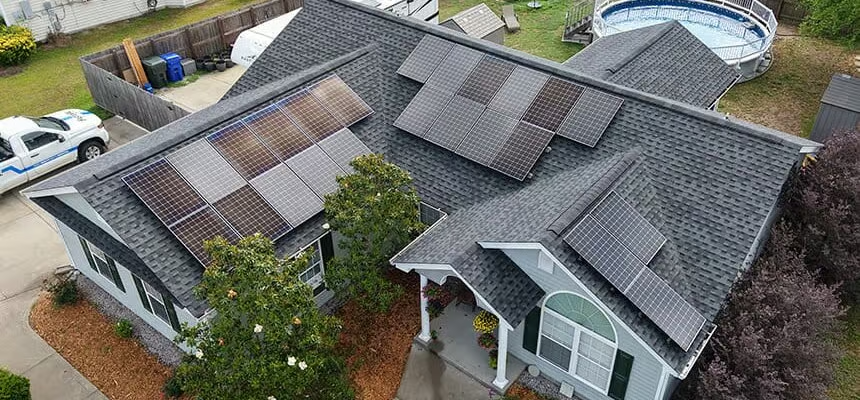
Matching your new build to the right roofing materials sets the tone for curb appeal, weather protection, and long-term value. Architectural asphalt shingles, standing seam metal roof panels, clay or concrete tile, and flat-roof membranes each bring distinct strengths, and coastal South Carolina conditions reward choices rated for wind, salt air, and heavy summer rain. Locking in materials early lets your roofing contractors and construction company design the deck, flashing, and ventilation around the system so the new construction roof performs as the manufacturer intended.
A new construction roof is a complete assembly of layered components — not just the visible roofing materials — and every layer matters for long-term performance. Understanding the full roof system helps homeowners evaluating roofing contractors ask better questions and confirm their new build meets South Carolina coastal building codes for weather protection and warranty coverage.
From the structural sheathing upward, a quality roof installation includes properly fastened decking, synthetic or felt underlayment with ice-and-water shield at vulnerable points, fresh flashing at valleys and penetrations, balanced intake and ridge ventilation, and finished edge components such as drip edge, starter strip, and ridge cap. Coastal wind zones may require enhanced fastener patterns, sealed decking, or hurricane straps, and a roofing permit with final inspection confirms code compliance. A reputable construction company documents code references, manufacturer guides, and inspection sign-offs for your project file.
A new build is the one moment when the roof, the attic, and the insulation can be designed as a single system instead of retrofitted around each other. Get it right before drywall and the house stays more comfortable and cheaper to cool for as long as the roof lasts.
Ventilation works as a balanced pair: intake at the soffits and exhaust at the ridge, sized to the attic it serves. Coastal South Carolina attics run hot and humid for much of the year, and an attic that cannot move air pushes that heat down into the living space and holds moisture against the underside of the decking. Exhaust without matching intake does not solve it, which is one of the most common problems we find on homes only a few years old.
Insulation and air sealing deserve the same attention. Baffles keep insulation from blocking soffit intake, penetrations through the ceiling plane get sealed before insulation goes in, and the target depth is planned rather than whatever happens to fit. Reflective underlayment and lighter surface colors reduce heat gain further, and on a new build they cost far less to specify up front than to add later.
The roof is only the first half of moving water off a building. On a new build the second half can be planned properly instead of improvised.
That means gutters sized to the roof area they serve, downspouts placed where the water volume actually is rather than where they are least visible, and discharge routed far enough from the foundation to matter. It also means the flashing details that most water intrusion traces back to: valleys, roof to wall intersections, and kickout flashing where a roof edge meets a wall, which is a small piece of metal whose absence causes a remarkable amount of rot inside finished walls.
Coordinating this with your builder before siding and trim go on is straightforward. Correcting it afterward means opening finished work.
New construction roofing is installed on a new build from the deck up, while a roof replacement removes existing layers before installing a new system. A new build gives your roofing contractors more flexibility with underlayment, flashing, ventilation, and weather protection because everything is built fresh, with no tear-off or surprises hiding beneath old shingles.
Architectural asphalt shingles, standing seam metal roof panels, and synthetic slate are top picks for coastal South Carolina new construction because they resist wind, salt air, and heavy rain. Your roofing contractor can weigh cost, style, and roof longevity to match the right roofing materials to your build.
Roof installation typically comes first on a new build, followed by siding, so the weather protection envelope is sealed before exterior walls go on. Sequencing this way helps your construction company avoid water intrusion during framing and keeps the project moving on schedule.
Most new construction roof installations take a few days to a couple of weeks, depending on the size, pitch, and chosen roofing materials. Metal roof systems and complex designs usually take longer than simple gable roofs with architectural shingles.
Look for licensed and insured local roofing contractors with strong new construction portfolios, manufacturer certifications, and references from nearby builders. Compare written estimates, ask about crew size, and check that the company is familiar with South Carolina building codes.
A new construction roof warranty usually includes manufacturer coverage on roofing materials and a separate workmanship warranty on roofing labor from your contractor. Read both documents closely to understand what is covered, how long each term lasts, and what maintenance keeps the warranty valid.
New construction roofing in South Carolina must meet current International Residential Code wind and underlayment standards, and most municipalities require a building permit before roof installation begins. A licensed local roofing contractor or your construction company typically pulls the permit and schedules the required inspections.
Roof drainage is planned during the design phase using pitch, gutter placement, and downspout locations that move water away from the foundation. Your roofing contractor and construction company should review these details together so the new roof system works with the rest of the home’s water management plan.
The fastest way to lock in the right new construction roofing outcome for your build is to bring a licensed roofing contractor into the design phase early, and Waccamaw Roofing, LLC welcomes that conversation across coastal South Carolina. Reach out before framing closes so materials, sequencing, local building codes, and weather protection details get set on your timeline rather than reacting to them later. From underlayment choices to a standing seam metal roof upgrade, early planning keeps the roof installation aligned with the construction company schedule and protects your warranty coverage from day one.
If you need any helps, please feel free to contact us.

