
When your coastal South Carolina home needs a new roof, choosing the right local contractor makes all the difference in durability, warranty protection, and long-term value. Waccamaw Roofing, LLC brings licensed, regional expertise to homeowners weighing material options, storm-damage insurance claims, and financing solutions. This guide walks you through the signs, materials, process, and help programs so you can move forward with confidence.
A full roof replacement is one of the most meaningful upgrades a homeowner can make, and choosing the right licensed local roofing contractor shapes everything that follows, from the materials on your roof deck to the warranty coverage that protects your investment. Waccamaw Roofing, LLC is a local, licensed roofing contractor serving coastal South Carolina homeowners with hands-on guidance from the first roof inspection through the final permit sign-off. In this guide, you'll find a clear look at shingle types and other roofing materials, the full step-by-step process, financing options to make the project workable, help navigating home insurance when storm damage is involved, and what to expect from warranty protection. Scroll on to see how the right decisions now can add long-term value, curb appeal, and lasting peace of mind to your house.
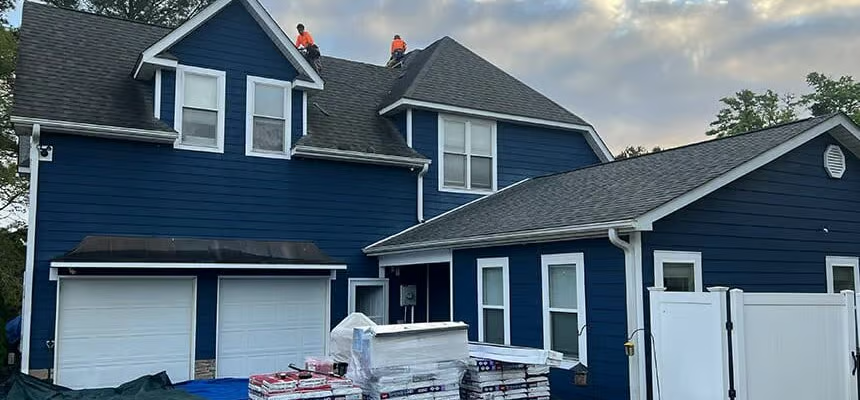
A full roof replacement usually makes sense when damage shows up across multiple slopes, when the decking shows daylight or soft spots, or when an aging asphalt roof has simply reached the end of its service life in coastal South Carolina conditions. A qualified roofing contractor can confirm what a homeowner can look for during an early self-check, then back it up with a written roof inspection, measurements, and a clear proposal before any tear-off begins.
Choosing the right roofing materials is one of the most consequential decisions a coastal homeowner makes during a roof replacement, because the system must stand up to hurricane winds, salt air, driving rain, and summer heat for decades. Architectural asphalt shingles remain the most widely installed option thanks to their broad style range and well-supported manufacturer warranties, while standing seam metal offers exceptional wind and corrosion resistance, an impressively long service life, and strong energy reflectivity. Concrete or clay tile delivers a distinctive look and proven durability when the existing roof deck can support the additional load, and slate provides a premium lifespan and curb appeal for homeowners whose structure has been confirmed suitable and who are prepared for a specialty installer. The smartest path is to evaluate each option through total cost of ownership — lifespan, maintenance, and resale value combined — rather than the first number on the quote.
Two houses on the same street can receive very different replacement quotes, and the difference is rarely arbitrary. Cost comes down to a short list of measurable factors, and knowing them makes any estimate you receive far easier to read.
An estimate worth trusting names these factors. A quote that is a single number with no breakdown gives you nothing to compare against the next one, and it is usually the quotes with no detail that grow once the tear-off starts.
Roofing close to the Atlantic is held to tighter standards than roofing inland, and for good reason. Coastal South Carolina jurisdictions enforce wind resistance requirements that shape fastening patterns, underlayment, and edge details, and roof replacements are permitted and inspected work rather than something a crew can quietly finish over a weekend.
A licensed contractor pulls the permit, schedules the inspection, and builds the assembly to the standard the inspector will check. That matters beyond compliance. The same details that satisfy a wind requirement, properly nailed shingles, sealed edges, and correctly lapped underlayment, are exactly the details that keep a roof on during a storm. It also matters at claim time and at closing, when an unpermitted roof becomes your problem to explain.
Most residential replacements are a one to three day job, and knowing the sequence makes the disruption much easier to plan around.
The crew protects landscaping, windows, and anything stored against the house, then tears the old roof off down to the decking. With the deck exposed it gets inspected, and any compromised sheathing is replaced. From there the assembly goes back together in order: underlayment, drip edge at the eaves and rakes, starter course, field shingles, flashing at every penetration and wall, and ridge venting to finish the ridgeline. The day ends with cleanup, including a magnet sweep of the yard and driveway for nails, and a walkthrough so you can see exactly what was done.
You do not need to leave the house, though the noise is significant and pets are usually happier elsewhere. Anything hanging on interior walls is worth taking down first, since tear-off carries real vibration through the structure.
A roof replacement is shaped by several factors working together, including your home’s square footage, the roofing materials you select, the pitch and complexity of the roof, and the current condition of the roof deck underneath. Each home is different, so a thorough roof inspection is the best way to understand what your specific project involves and where your investment goes. A personal consultation is the best way to get a clear picture tailored to your home.
A professional roofing contractor can evaluate your roof’s age, shingle condition, and any storm damage to recommend the right path forward. Widespread wear, recurring leaks, or decking problems often point toward full replacement, while isolated issues may be resolved with a targeted repair.
Popular shingle types include architectural asphalt, metal, and specialty options designed for coastal climates. Each material offers different looks, lifespans, and performance benefits, so comparing them with your contractor helps you find the right match for your priorities and budget.
Most residential roof replacements are completed relatively quickly, with the exact timeline depending on size, weather, and complexity. Your contractor will outline the projected schedule during your consultation so you know what to expect.
Look for a licensed local roofing contractor with strong community ties, verified reviews, and clear communication. Waccamaw Roofing, LLC serves homeowners across coastal South Carolina with experienced roofing labor and proper permitting.
Home insurance may cover replacement when storm damage is involved, though coverage varies by policy. Reviewing your policy and documenting damage helps streamline any claim.
Many homeowners explore financing options through their contractor, local lenders, or state programs designed to assist with home improvements. Your roofing contractor can point you toward resources that fit your situation.
A new roof typically includes both a manufacturer warranty on materials and a workmanship warranty from the installer. Together, these protect your home over the long term when properly maintained.
Scheduling an on-site roof inspection with Waccamaw Roofing, LLC is the simplest first step toward a confident roof replacement. From there, your local licensed roofing contractor can put together a written estimate, walk you through shingle types and other roofing materials suited to coastal South Carolina, review your home insurance paperwork, and discuss financing options that fit your budget. You get one responsive team guiding the whole project, from permit details to the final roof deck check and warranty paperwork, so nothing slips through the cracks.
Reach out today to book your inspection and ask about storm damage assessments, material samples, and payment plans. A quick call now puts a clear plan in motion for your house.
If you need any helps, please feel free to contact us.

