
When a coastal storm leaves your roof damaged, figuring out what comes next can feel overwhelming — but you don't have to sort through the paperwork and adjusters alone. Waccamaw Roofing, LLC is a licensed local roofing contractor helping homeowners and property owners across coastal South Carolina navigate the roof insurance claims process from inspection to final settlement. This guide walks you through how a claim really works, what your policy covers, and how to document storm, wind, or hail damage the right way so you can move forward with confidence.
A roof insurance claim is a formal request a homeowner files under their insurance policy after storm, wind, or hail damage, and the process moves through seven core stages: emergency mitigation, filing the claim, adjuster inspection, estimate comparison, negotiation, repair or roof replacement, and final recoverable depreciation release. A licensed roofing contractor who understands insurer terms can document damage, meet the adjuster on-site, and help the homeowner pursue a fair settlement rather than accepting a low initial offer.
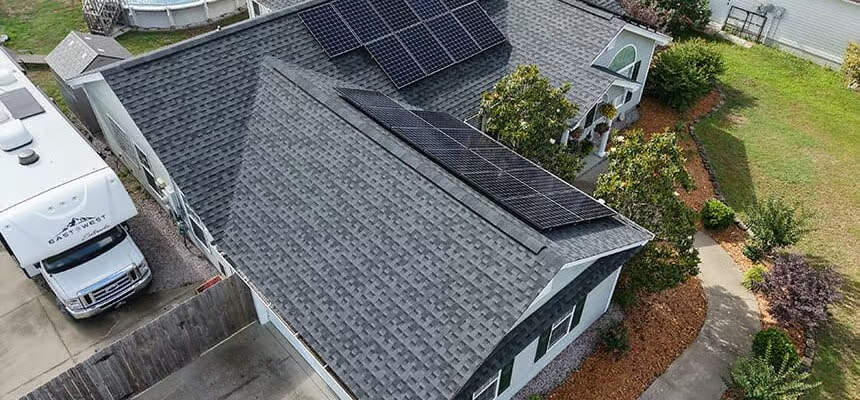
A homeowners insurance policy typically covers sudden, accidental storm or hail damage to the roof under dwelling coverage, with separate limits for other structures and personal property, while common exclusions include wear, neglect, and cosmetic-only issues. Reading the policy in three layers — what is covered, how the value is calculated, and what is excluded — gives any homeowner in coastal South Carolina a clear starting point before filing a roof insurance claim.
Most policies are written as open-peril on the structure and named-peril on personal property, which means the roof is usually protected against a broad range of events. The bigger driver of your final payout is whether the policy pays replacement cost value (RCV) or actual cash value (ACV). With RCV, the insurer covers the full cost to replace the roof after the work is done; with ACV, depreciation is deducted up front. Knowing this distinction helps you see whether the adjuster's offer reflects what your policy actually promises.
Along the Grand Strand and wider coastal South Carolina, the most common covered perils on a homeowners insurance policy are hurricanes, tropical storms, straight-line wind, hail, and falling debris — and the documentation you gather in the first couple of days drives how smoothly your roof insurance claim moves through the process. A same-day photo log, written repair estimates from a licensed local roofing contractor, dated weather reports, and your own maintenance records give the insurance adjuster a clear, defensible picture of sudden storm or hail damage rather than wear and tear.
An insurance claim follows seven stages: reporting damage, adjuster inspection, estimate review, scope agreement, contractor work, final invoice, and recoverable depreciation release. Timing depends on carrier workload, weather events, and documentation completeness. Working with a qualified roofing contractor helps each stage move smoothly so your roof replacement or repairs are fully documented and your policy terms are honored throughout the process.
Coverage depends on your insurance policy terms and the peril that caused the damage. Most policies cover sudden, accidental events like storm damage and hail damage, but exclude wear, neglect, or pre-existing issues. Your dwelling coverage applies to the roof structure itself, while separate limits may apply to water damage inside the home.
Recoverable depreciation is the withheld portion of your roof replacement payout that the carrier keeps back, then releases once the work is finished. To collect it, submit the completed invoice, proof of payment, and any required contractor documentation. Your policy terms determine whether depreciation applies and how it is calculated.
Start by documenting everything with dated photos and notes, then contact your insurance company to open the claim. Notify a trusted local roofing contractor for an independent inspection before the adjuster arrives. Acting quickly strengthens your position and protects your rights under South Carolina state rules.
A claim denial is not the final word. You can request a written explanation, supply additional documentation, ask for a re-inspection by a different adjuster, or invoke the appraisal clause in your policy. A roofing contractor familiar with the claims process can provide supporting evidence to strengthen your appeal.
Adjusters base offers on either Replacement Cost Value (RCV) or Actual Cash Value (ACV), depending on your policy. RCV pays to replace; ACV factors in depreciation. Supplements for missed line items can increase the original offer, which is why detailed contractor estimates matter.
Look for a licensed, locally established roofing contractor with strong references, manufacturer certifications, and proper insurance. Storm chasers often appear after major events, take money, and disappear. Check credentials, read reviews, confirm a physical local address, and never sign under pressure.
Late filing, incomplete documentation, signing away your rights to a contractor, and choosing unvetted out-of-area crews are common pitfalls. Keep records organized, communicate in writing, and make sure every repair authorization protects your interests under your insurance policy terms.
Coastal policies often include separate named-storm deductibles that apply after hurricanes or tropical systems. State filing deadlines and prompt-pay rules also influence timing. Review your policy, document quickly after any storm, and contact a local contractor who understands South Carolina coastal claim practices.
A complimentary, prompt roof inspection from a licensed local roofing contractor is the smartest next step after storm or hail damage, because it locks in dated photo evidence, a written damage report, and a repair estimate your insurance company can review on day one. Waccamaw Roofing, LLC handles the heavy lifting from there, meeting the adjuster on-site, preparing the supporting estimate, and protecting the full scope of your claim so items like code upgrades and recoverable depreciation stay in play.
Getting started is simple. Reach out by phone, email, or the online request form, and a roofing professional will schedule a visit, walk the roof, document every issue, and stay beside you through every offer, revision, and check tied to your dwelling coverage.
You will work with a coastal South Carolina team that is fully licensed and insured, never a storm chaser, and committed to seeing your claim through to a quality roof replacement or repair.
If you need any helps, please feel free to contact us.

